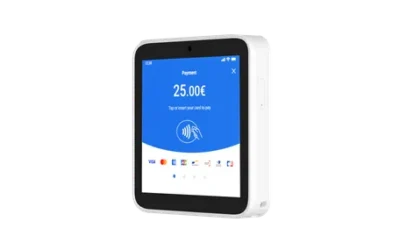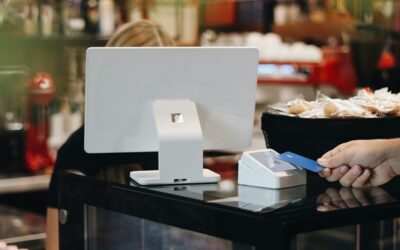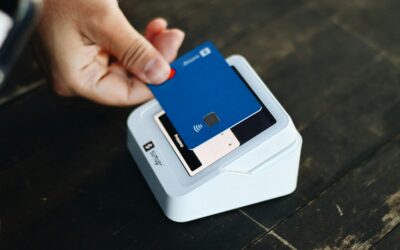


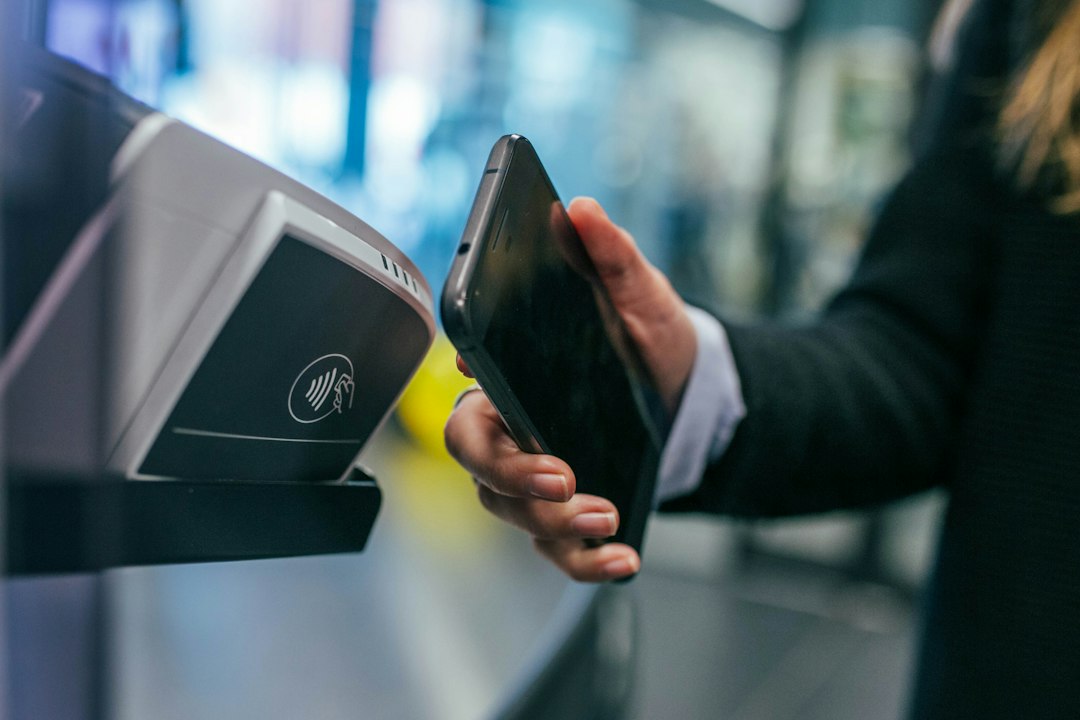
The fear that someone on the tram will put a terminal to your pocket and withdraw money from your phone is spreading repeatedly. This is not possible for regular payments in stores: Google now requires verification with a screen lock, i.e. a PIN, gesture, password or biometrics, for payments in stores. Apple requires the same. Are you asking what about plastic cards? And do you carry more than one card in your wallet? Most people do. The obligation of payment terminals is that if there is more than one payment card nearby, it should prompt the user to put one card next to it. In other words, they should never choose one of the multiple cards nearby - they are simply prohibited from doing so, and you can try this yourself during a regular payment. Another safeguard is that as a cardholder, you can complain about the payment and are entitled to a refund of the full amount if misuse does occur. The end customer is therefore very protected. There is no need to worry.
The confusion arises because of older procedures that you can find. Some banks still describe the older model, when with Google Pay it was enough to light up the screen and place the phone without unlocking it to make a payment up to CZK 500. The current rules are stricter. The exception is the "transit mode" for public transport, which can allow payment on a locked device. For merchants, this is a useful argument: mobile payments (Apple Pay, Google Pay) are protected by customer verification and sufficiently secure.