

After the postponed first wave of EET, the Ministry of Finance is returning to the topic: on April 29, 2026, it presented a draft of the EET 2.0 system, which should start operating in 2027. For us, this is a signal: most of the problems with the previous EET did not stem from the technology itself, but from late preparation and last-minute panic buying — and this can be avoided this time. And thanks to us.
What's new
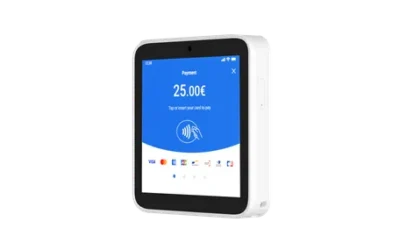
The details of the law are not yet public; the ministry has presented a „draft“, not the final paragraph text. From what is known today, several trends emerge. First: the technology is no longer the same as it was ten years ago. A cash register and a payment terminal can be purchased as one device (fiscal Android cash register with integrated card acceptance) for the price of a better phone. Second: 2027 provides a clear horizon, so entrepreneurs in the catering, retail and service sectors can plan investments calmly, not in panic. Third: providers of cash register systems and card terminals (Dotypay, FiskalPRO, Storyous, Markeeta, KB SmartPay with Tablet POS, Comgate POS) will compete in the coming months to offer the most integrated solution.
What does this mean for Czech entrepreneurs?
Short term (rest of 2026) There is only one task: not to panic and to monitor the final shape of the law. If you have an existing cash register system, check with your supplier how they plan to update to EET 2.0. For most reputable providers, this will be a software update, not a hardware replacement.
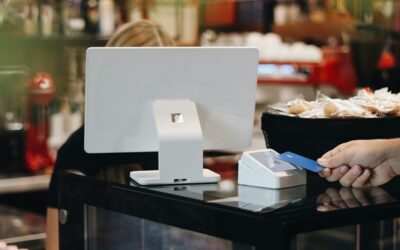
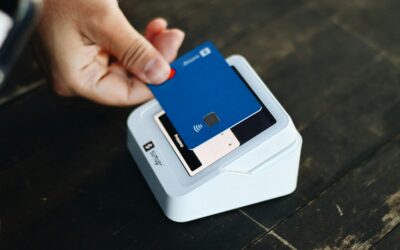
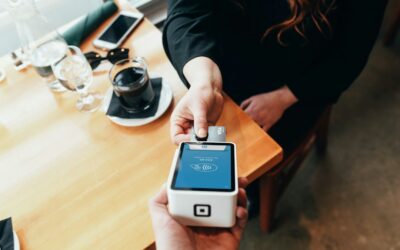
Medium term (2026–2027) It makes sense to use the time to merge the cash register and the card terminal into one device. Two boxes next to each other (separate cash register + separate SumUp / myPOS / Teya terminal) work, but with the new law they add a point of failure: two SIMs, two certificates, two suppliers who blame each other.
For business types:
- Gastronomy — a combined cash register with a tablet and terminal in one is the most sensitive point; the operation is in a hurry and the operator cannot delay by gluing the systems.
- Brick-and-mortar retail — if you don't have your own IT, choose a provider with local support in the Czech Republic (telephone, not just an email ticket).
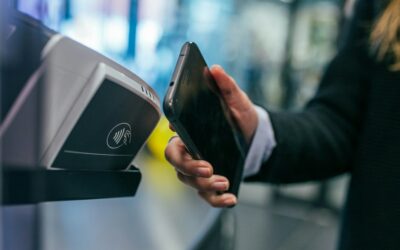
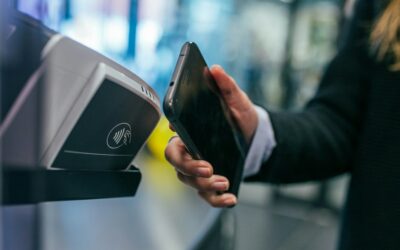
- Services (hairdressing, craftsmen, freelance) — consider SoftPOS on your company phone instead of additional hardware.
- E-shop with imports — if you issue a receipt only for "hand-delivered" imports, connect fiscalization to the courier's mobile device.
What should you bring?
- Don't wait until fall 2026 to make a decision. The biggest problem of the last wave was "five minutes past twelve" — sold out hardware and overloaded service lines. This year you have time, use it.
- Check with the supplier of the cash register and terminal how they handle EET 2.0. One email today will save three emergency phone calls in 2027.
- Consider consolidating to a single device. Integrated solutions (cash register + terminal + acquiring from one provider) reduce risk and typically the total cost of operation.
- Test the stability of the internet at the checkout. EET 2.0 will be online just like the first one; restaurants underestimate the fact that the kitchen part of the building often has a worse signal.
- Follow official sources, not just PR portals. We will continue to bring you detailed information and instructions on how to deal with EET.
Glossary of terms
- EET (electronic sales records) — a system by which the merchant sends real-time data on each sale to the financial administration and issues the customer a receipt with a fiscal code.
- Fiscalization — the process by which the transaction is stored in a certified database and a receipt meeting legislative requirements is issued to the customer.
- Point of Sale (POS) System — software (often with a tablet or PC) in which the merchant enters items, calculates VAT, generates a receipt and communicates with the payment terminal.
- Acquiring — a service that allows a merchant to accept card payments; its price consists mainly of interchange + card association fee + acquirer margin.
- SoftPOS — technology that turns a smartphone into a payment terminal (the customer places the card on the back of the merchant's mobile phone). In the Czech Republic, it is offered by, for example, Global Payments, Teya or myPOS.
- Certificate — a cryptographic file used to authenticate the cash register to financial administration servers. In EET 1.0, it was a frequent source of installation complications.
- Online checkout connection — the cash register must contact the financial administration server at the time of sale. Backup modes address short-term internet outages.