

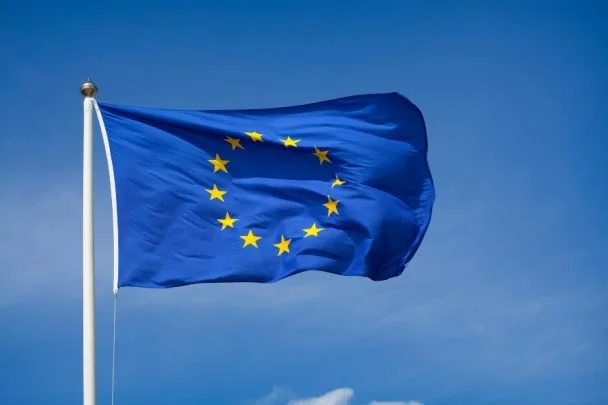
The European Union has approved a Europe-wide limit of €10,000 for cash payments as part of new anti-money laundering rules. According to the European Parliament, the restriction applies to business and professional contexts, while private transactions between individuals are to be exempted from this regulation. According to additional public sources, it is planned to come into effect from July 10, 2027.
What is the truth at this moment?
According to the European Parliament, the AML package includes an "EU-wide limit of EUR 10,000 on cash payments". The aim is to limit the anonymous movement of large amounts of cash and to facilitate the traceability of financial flows. This is particularly important in segments where higher transaction values are involved.
Additional public sources indicate that Member States may have stricter national rules and that in some cases businesses will also address customer identification for larger cash payments. However, specific implementation in individual countries will need to be monitored according to the final wording of the rules and national practice.
What does this mean for entrepreneurs?
For most regular businesses, this will not be a change that would turn their operations upside down overnight. Nevertheless, it is another signal that the European environment is moving towards greater payment traceability and less room for large cash transactions in the long term.
The practical impact may be more pronounced in businesses where higher amounts are common or where a combination of cash, transfers and card payments is increasingly being handled. Typically, this may involve the sale of more expensive goods, specialized retail or services with a higher average spend. There, it is no longer just a question of whether the customer "can pay by card", but whether the entrepreneur has set up the payment process in a way that is convenient, traceable and economically sensible.
Why it's important even for companies that don't reach the limit
Even if the €10,000 limit doesn't directly affect you, such regulatory changes usually reinforce a broader trend: cashless payments are becoming the norm. Customers expect easy payments, businesses want better records, and the state and regulator are pushing for greater transparency.
At such times, it makes sense to consider not only whether to accept cards, but also which solution to choose. The difference between providers is often not reflected in advertising, but in fees, conditions, quality of support, speed of money disbursement, or the suitability of the terminal for a specific operation.
View Businesses
For Biznisa, this is mainly an educational topic: the new regulation itself does not say which terminal or gateway to choose, but it creates another reason to be interested in choosing a payment solution early. An entrepreneur who has a well-set cashless receipt is more resistant to similar changes and to changing customer expectations.
In other words: it's not just about meeting the rules. It's about having a payment infrastructure that doesn't slow down the business and doesn't make operations unnecessarily expensive.