


Blog
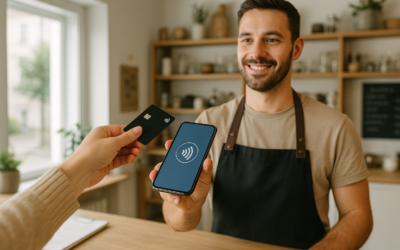
The mobile terminal is gaining momentum. It could mean a cheaper way for smaller merchants to accept cards
This year, Mastercard also highlighted the mobile terminal among the awarded innovations. This is an important signal for the Czech market: accepting cards today does not have to mean just a classic payment terminal on the counter. For some entrepreneurs, a mobile phone with a suitable application can be a faster and cheaper way to start accepting cashless payments.
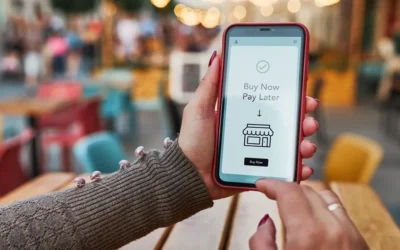
Installments are becoming part of the payment infrastructure. What can this mean for your e-shop?
According to a PYMNTS article, the „pay later“ model is gradually moving beyond checkout, but deeper into the payment infrastructure, tokens, and platforms that determine when and how financing offers are presented to the customer. For e-commerce, this could mean another shift in who controls the customer experience and business conversion.
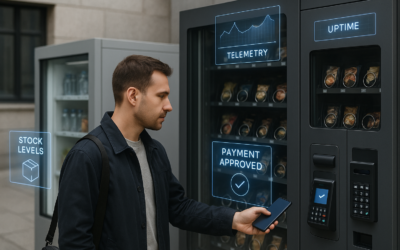
Unattended sales are growing: what an entrepreneur must solve before launching a vending machine 24/7
Vending machines are no longer just an accessory. In many segments, they are becoming a full-fledged sales channel. However, success does not depend only on the location and product — it also depends on how robust the payment, service and operational monitoring are.

Even more expensive purchases are moving to mobile. A weak mobile checkout can cost an e-commerce store more than it thinks
Stripe describes a trend in which customers are increasingly completing even higher-value purchases on mobile. The main reasons are said to be faster digital wallets, greater trust in mobile checkout and less need to switch to desktop. This is another signal for e-commerce stores that the mobile payment experience can no longer be secondary.
AI agents are set to start making payments. For e-shops, this could be a bigger change than another checkout redesign
Mastercard describes a direction in which artificial intelligence should not only advise on the selection of goods, but also complete the purchase itself. If this model is adopted, e-shops and payment infrastructure will have to address not only the speed of purchase, but also secure authorization, trust and technical readiness for so-called agent payments.
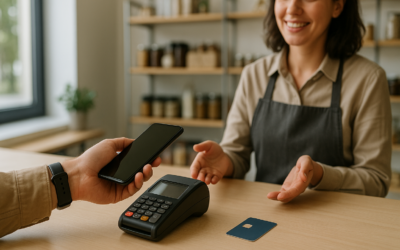
Are you ready to reject 85 percent of customers?
In a publicly cited Mastercard survey, 85% of people prefer digital payments in brick-and-mortar stores and 95% of people prefer online. For businesses, this is not just a technology trend, but an operational reality: customers expect fast, secure, and seamless payments.
Digital payments are the new standard in brick-and-mortar stores. What this means for entrepreneurs
According to a recently cited Mastercard survey, 85% of people prefer digital payments in brick-and-mortar stores and 95% of people prefer online. For merchants, this leads to a simple conclusion: the ability to pay by card, mobile phone or digital wallet is no longer an add-on, but part of the expected customer service.

EET 2.0 is back: a practical checklist for entrepreneurs before 2027
The EET 2.0 proposal envisages a new record of sales, including card payments at the point of sale, from 2027. The final wording of the law may still change, but companies can already take several steps that will save them time and costs.
Biznisa and Teya: Joining forces for a fairer payment terminal market
When a businessman chooses a payment terminal, he doesn't want to spend hours studying price lists and contracts written in small print. He wants to be clear about how much he will pay, how quickly he will receive the money in his account, and whether the terminal will work reliably. That's why Biznisa and Teya decided to join forces...
The EU is restricting large cash payments. For some entrepreneurs, this will be another argument for cashless solutions
The European Union has approved a new AML rule that introduces a pan-European limit of €10,000 for cash payments in a business context. The change will come into effect from July 10, 2027 and for some merchants means that cashless infrastructure will not just be a convenience, but increasingly a practical necessity.