

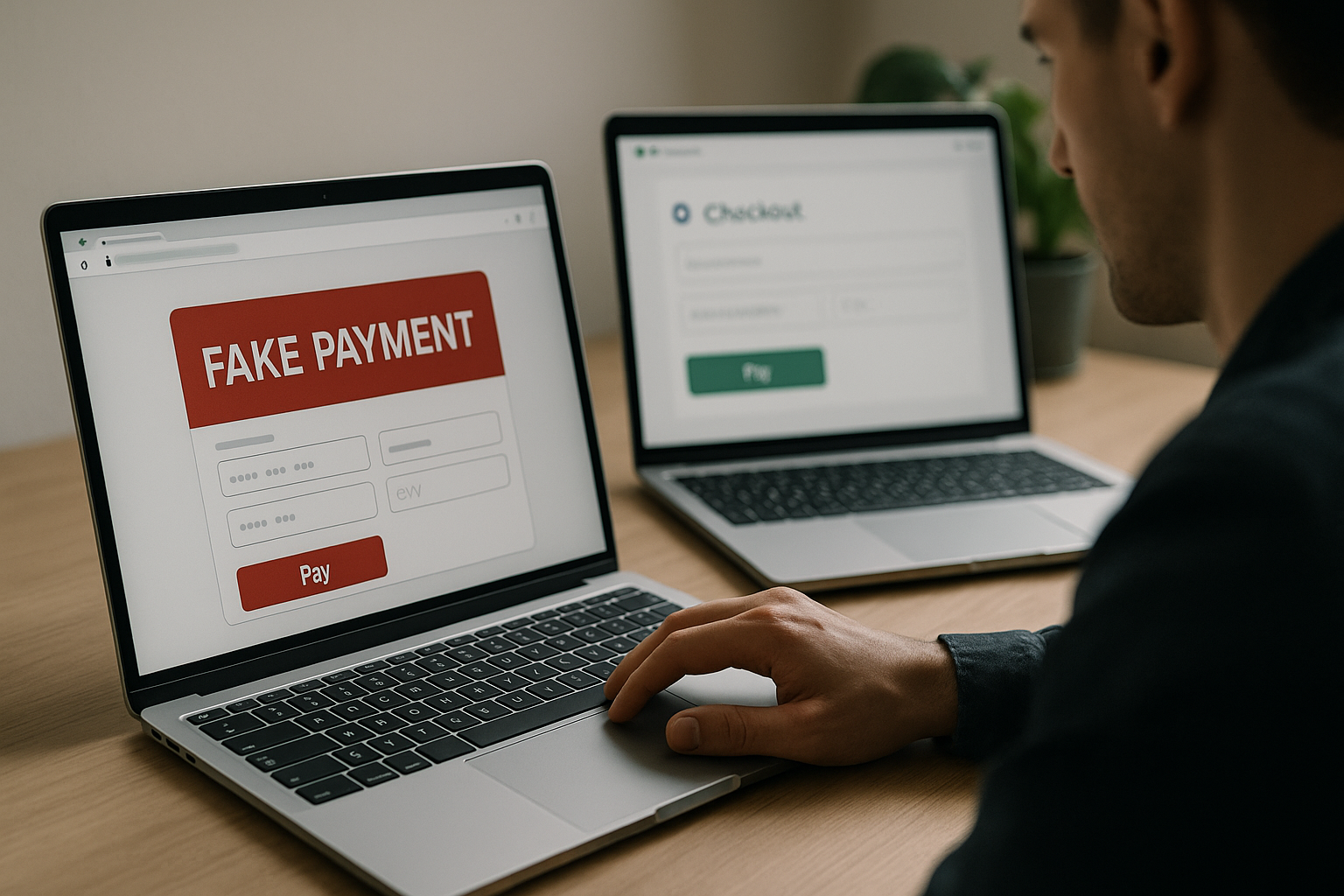
The warning about a new type of phishing linked to booking services reminds us of an old truth: today, attackers often do not attack the infrastructure (technology), but the customer's trust. This is the most error-prone and vulnerable element. If the fake challenge contains the correct date, amount and name of the service, the chance of error increases rapidly. The facts describe a scenario with a fake payment gateway, time pressure and communication that may appear legitimate. For entrepreneurs, this is not only a security issue, but also a business one: each such incident weakens customers' willingness to pay online.
How can you prevent this? In practice, three layers need to be strengthened. The first is communication: the customer must clearly know which payment channels you use and which ones you never use. The second is the UX of the purchase process: a consistent domain, understandable payment confirmation and a minimum of steps where the user can be confused. The third is the response to the incident: a quick warning, a prepared process and scenario on how to deal with this and a simple „what to do if I clicked“ procedure. Regarding the first point – usually even payment gateway providers require you to indicate the type of payment gateway used on the website, either through a familiar logo or as a description of the payment options.
In the long run, the winner will be the one who combines a convenient shopping process with active fraud prevention. Not only for security reasons, but also for customer conversion and retention.
As always, you can find an overview of all payment gateways on our Biznis website. catalog.
What is Phishing?
Phishing is a dangerous method of cyber fraud in which attackers pretend to be a trusted entity (bank, authority, e-shop). The goal is to lure users into revealing sensitive data such as passwords, PINs or credit card numbers. Attacks often use emails, SMS (so-called smishing) or fake websites that look genuine.
What is UX?
UX (User Experience) is the overall feeling and experience a person has when using a product, most often a website, application or machine. The goal is to make the product intuitive, friendly and easy to use. It focuses on functionality, logic and making it easy for the user to achieve their goal without frustration.